Writing is.
Mae Fraser
Fill in the blank: writing is _____.
Don’t worry about getting it right or wrong; there is no right or wrong answer. Just answer with what feels right to you and only you.
What does it mean to write? What is writing? What is your definition of it?
Oxford says it’s “The activity or skill of marking coherent
words on paper and composing text.”
Dictionary.com calls it “the written form”.
Merriam-Webster defines it as “the act or process of one who writes”.
But what do you say about it? What is writing to you?
Writing is…
Writing is…
Writing is…
Writing is…
Writing is something to everyone, yet writing does not have one, true meaning. It has a dictionary definition, but that’s not the extent of the meaning of writing. Writing is what you make it, not what it makes you. Mindfully writing means you control the narrative (literally). Writing is a language we all are fluent in.
Writing is the whisper of the wind as you walk the length of the beach, the beige concrete wall that’s stood a protector, for all your life and beyond, separating you from the cold, foaming seas yards of sand away from solid ground. Writing is the hum of your refrigerator late at night when you’re trying to sleep, but the sounds of the late night and early morning keep you up with it’s symphony of mechanical whirring and electrical currents buzzing.
Writing is the screaming and crying of long past memories that come crawling back into your psyche, but instead of losing yourself to the overwhelming dread, pain, and suffering, you bend it to your will and make it art. Writing is the voyage home after years of being away. Writing is marching, protesting, and fighting for your values.
Writing is your lions cry, your freedom speech, your ode to your ancestors. Writing is your soliloquy: to write or not to write, that is the question. Writing is the ask and the answer. Writing is the thing with feathers. Writing is yours to take and master or to take and shatter. It is up to you what you do with it. Writing is the dragon you must slay. Writing is the world, absolutely filled to the brim with opportunity.
Writing is our experience, our process, our legacy.
Writing is… prewriting, waiting, and creating.
Writing is creation. Our minds are the expansive universe, not an end in sight. We pull from our everyday lives in order to make something out of nothing, a magician pulling a rabbit out of an empty hat. We must leave our bodies behind and become groundless, accept the things that come and use them for our art. Everything changes, everything can become brand new in the eyes of the beholder, so we must watch it, but not interact. Watch for the inevitable change; watch it, and let it grow, a strong rose appearing from the snow atop it. Let the carpet be pulled from beneath our feet; the fall could reveal more than the standing could. A fall from grace holds so much power.
Writing is waiting, whether it is to wait to write, to wait for the bus, or to wait for omens. It takes time to get the writing out—but you should never let that stop you. Writing is waiting to be ready to write. We must wait, and our writing will wait right beside us. Inhales and exhales later will we be truly ready to write. The delay is necessary; if we don’t wait long enough, we will become ensnared by storylines not interconnected to the one we wish to write. Our minds will wander, forever lost to the supposed grandeur of other lands. The essential delay is to ready us for combat, ready us for prophecies that will become unfolded.
Writing is the ebb and flow of our bodies and of time.
Writing is not letting procrastination win. Procrastination is not inherently a bad thing, but it can cause bad things. Subpar papers, half-assed poems, or half-written scripts of some unintelligible garbage. Allow yourself time to be your best self as a writer, but remember to be kind to yourself as well. Writing is allowing yourself time and the good things that come with writing.
Writing is knowing that you are creative even when the ideas aren’t there. It’s part of that delay, that waiting period to write. Despite waiting, you are creative even when you think you are not. Uncertainty always remains inside of us, sometimes making an appearance, but never should you let it affect your writing. Take that uncertainty and create something with it when the time comes to write again. Let it inspire you instead of hindering you. Use your creative intuition, let it build up inside of you until you feel as if you are going to burst. Create without boundaries.
Writing is creating something that is uniquely yours.
Writing is… being imperfect, banishing demons, and getting rid of preconceptions.
Writing is not perfect; it’s not meant to be. Imperfection is not a thing to be scared of. You are under no obligation to be perfect, nor are you under any obligation to be like the ones before you. You admire the writers, the mentors, the teachers, and the ones that inspire you, but you are you, not them. You are made of bits and pieces of people who have circulated through your life; some might remain, some might have gone, but you will always be there.
You are eternal. You are not the authors you read, but you are inspired by their weaving of stories like spider webs and their eloquence that makes metaphors into mountains. You are not your mentors or your teachers, but you are the product of essential learning and creative excellence. You are not the ones you love, but you feel their support and love like a warm embrace after hours of losing your way.
Writing is here when you need it most. When the babble of everyday worries—did I leave the water running? Where are my keys currently or did I drop them in the garage again?—comes in waves and turns into ensnaring weeds when you pay attention to their presence—oh god, did the door blow open again? Are my animals getting hit on High Street or Lafayette Road? Which would be worse and why am I thinking about this when I’m trying to pay attention to a lecture an hour away from home?—your words are there to comfort you.
Writing is your home, a comforting sight in which your greatest ideas flow. No such anxieties can filter through the wall you have created for yourself, but there is always a split, allowing the flow of ideas to infiltrate and inspire. Your haven is your writing, absorbing the blows that come to you, one by one, by the threat of rejection and perfection. Your writing is a churning machine that turns your demons to dust and let ideas run rampant. The ideas flow through your mind, washing over the weeds and the waves like they never existed. Those who try to stand in your way wash away, decimated into nothingness, with the strong force of the raging river your ideas have become. Writing is your sanctuary.
Writing is what you make your worries and your nervous energies into. Your worries become epic tales of warriors who, too, go through the trials and tribulations of the typical person, and must gather the strength to defeat what is hellbent on destroying them. Hellhounds run after you, but your writing is there to protect you. The doubt you feel becomes the scales of a dragon protecting a damsel no longer in distress in your twist on the classic fantasy tale.
Anxiety becomes a contemporary romance where your wildest dreams are lived out in rose-gold silk and poetry serenades at 3 am. Writing is your slam poetry dreams come alive on the stage, or at the smoky coffee shop, or even in front of your friends on the long car ride home from a long journey.
The warmth of the guiding light from your past is supposed to help you as your journey continues, not to hinder you or cause you harm. It scares away the demons and monsters that cause you pain; you can stop the monsters under your bed and in your closet that have always come out to play. Writing is the most powerful weapon in your arsenal.
Writing is the call to action. When you hear your demons arrive to take a hold of your mind, summoned from the boiling pits below the hardwood floors and the concrete base of your sanctuary, may the words you use protect you and be your soldier. They are meant to be attack the demons, slick black with ink, who take your artisanship away. They slice at sentences, rip apart scenes that took you hours to create vivid images of, desecrate the temple you have made for yourself.
The notebooks of unfinished poetry and unfathomed fantasy novels crumble away at the burning touch of the audience you’re embarrassing yourself in front of. You feel as if a trap door will carry you to your doom in a moment, where the demons lie in wait once more to feed off the fear and anguish they themselves have caused you. The demon you hear the most will appear at your shoulder, whisper the worst words a writer can hear, and try to persuade you.
You’re not a writer. You’re just some imposter. Let me fix that for you, since you can’t obviously write that for yourself, let alone write it for an audience.
The words weigh on your shoulders, those troubled thoughts and whispered wisps of falsehood filling up the bag on your shoulders, and you just feel like f a l l i n g …
But with the light of your words and your positive perceptions, those demons will turn to ash. Writing is the words that become your sword, your shield, and your armor. Your words can build cities and tumble armies. You are the master of your own artistry, not those demons who haunt your mind. Your demons don’t stand a chance against your lamentations and cavalier rhymes. They will perish as your radiant luminescence stands up and regards them as nothing more than annoying flies getting in your way.
Disregard the demons as they come, and you and your writing shall come forth and remember when you weren’t strong enough to hold them back. Now, you’re fortified with the knowledge that your writing is yours and no one else’s. You are your writing, and your writing is you.
Writing is the sword and shield at your disposal. May you slay your demons who try to intercept your greatest work.
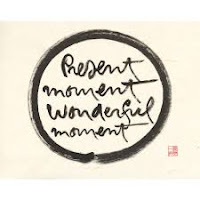
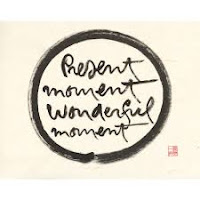
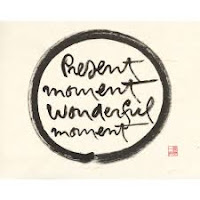
Writing is… the everchanging present moment, endless writing, and groundlessness.
Writing is everchanging. Writing is the metamorphosis as told by Ovid or the becoming of a butterfly. The present moment is vastly changing minute by minute, second by second, moment by moment. Writing is not one and done; even the tiniest of edits makes it changed. Another reason to why writing perfection is never achievable; our work is never finished. Things change as the seasons do, as the leaves do when fall quickly arrives, leaving no room for the transition of summer into autumn. Writing is never-ending revision, spaced out between minutes, months, millennia, until you deem it to be done.
Writing is a love letter to language, dripping with sweet, succulent words meant for intermingled lovers or loved ones. Our bones and flesh become one with the pen; it becomes an extension of our beings, the ink that flows the embodiment of our souls, of our hearts. With every flick of the wrist and of the pen, our thoughts flow, unobstructed, into permanency. By noticing ourselves, we become our writing and our writing becomes us. We fall into rhythm, a beating of a faraway drum, our writing marching right beside us as we carry on into our writing, our lives, and our process.
Writing is freedom. Writing is taking the parts we don’t like and destroying it, ripping it to shreds so no one—not even ourselves—can read the inner workings of our own psyches. We take the words that don’t work and the fragmented sentences and the poems we wish we could wash the sin out of and light it up, red, orange, and yellow flames engulfing the ink, freeing us from the chains of preconceptions and internal doubt. Doubt in our writing and in ourselves needs to be razed, burned away without any trace. Our freedom from our preconceptions and our demons will allow true transformation and inspiration to begin. Finally.
Writing is typing or writing away the negativities, the endangering energies we encounter when we overthink. Don’t overthink, over-write. Write until the pen runs dry and your hand is in on fire. Write until your computer dies out, a light blinking, blinking, gone. Your light will never be gone; only the threats that haunt you will be released into the ether, always at risk for coming back, but far enough away that their presence cannot be welcomed back in unknowingly. You have the power to banish them forever or keep them around for inspiration; do what you will with the demons that follow you.
Writing is the perception of yourself and those around you.
Writing is… the process.
Writing is letting yourself work. Let the words come, even if they are just fragments or words, the charcoals of a fire not yet lit or the foundation of a skeleton of a house yet to be built. It takes time, the writing process, but you write at your own pace, take the time to run through plans over and over for weeks and weeks, rewrite the same sentence five different times, and finish when you feel like finishing.
Writing is the stages of getting ready, doing the thing, and finishing it. Three stages with multiple substages, a vortex of anxieties just waiting to happen. If we do it right, by waiting for our inspiration to come and preparing ourselves, we will come out unscathed. There is no right way to write, but there are ways to make sure it comes out right for you. Writing is the manipulation of words and ideas to make it truly, uniquely you. Take your time, speed-run your poem, trust the process, exert all of your writing ability. Writing is yours to take a hold of and do what you’d like with it.
Writing is your chance to create, inspire, and learn.
Writing is… revising and editing.
Writing is revising with an open mind. Editing and revising is part of the process, but it all comes later. If you edit and revise while you right, you will find yourself spiraling into your demons’ pit. You’ll spend more time editing than writing. Your misfired aim for perfection comes with a price. Revising is the last step; for now, focus on the writing and give yourself time to focus on the revising later. Revising only gets in your way; it is a dangerous method to give in to the process of editing too early. You’ll spiral until fear and worry is all that’s left.
Writing is not getting caught up in the weeds of editing. If we let go of the revising, forget what comes later and get everything down on the page right now, then we will grow. Our skills will flourish and our minds will be at ease because we took our time, paced our writing. There is no such thing as tidying up your writing as you go. Release all of the words onto the page and pick up the things that need to be discarded later. Your writing will thank you.
Writing is letting the ideas come and go as you develop your writing more and more. Stuff will come and go, but do not tangle yourself up in the web of deleting, deleting, deleting. Your progress is made by letting your writing expand until it can’t anymore. Only then can you cut back the weeds and the other things that grow from your writing. It’s a long process that is worth the wait.
Writing is… giving feedback and being kind to yourself and others.
Writing is allowing yourself to give and receiving feedback. You don’t want to hurt anyone’s feelings; it’s just human nature, but you have to give good feedback in order for others to succeed as much as you do. Writing is taking the feedback and actively using it, combining your observations with others in order to get the full picture. You stare hard at your writing, day after day, week after week, and your eyes grow so heavy from staring that you forget the extra comma here or the messed-up sentence over there. New perspectives enhance your writing and enhance your world view of language and all of its intricacies.
Writing is not falling into old
habits. Once you learn how to do something, keep at it. Don’t let yourself fall
back into the old ‘truths’ that you once knew. Refresh your writing with
something new, and don’t rely on the dangerous methods you are trying to shake.
They might feel like a comfort, but something sinister lies underneath. With
each passing moment, there is more to learn and expand from; evaluate, make it
a habit, and stick with it.
Writing is being kind to yourself. You are not a failure for not being published yet or writing differently than others. Your writing is a beautiful landscape, unique to you and only you. Writing is remembering that we are not machines programmed to pumping out papers and poems and journals every few months. We are human; a combination of flesh, blood, and words. Do not beat yourself up over the smallest things in your writing. Your writing will only grow when you do.
Writing is not discouraging others. While we want to work on ourselves, we also have to help others when they ask for it. Give them the same kindness—while being constructively critical—that you would expect from them. Kindness pushes out the demons—for you and other writers. Keeping the demons out and letting the words take their place is the main goal for all. Love and kindness go far in the world of writing.
Writing is reminding yourself you are not less of a writer for receiving constructive feedback. Some things don’t vibe well, and that’s okay. Fix that stanza or rewrite that scene with the confidence that people love what you do, but remember that everything needs a little bit of fixing up once in a while. Progress is what we should aim for, not perfection. Writing is embracing that ideal and taking or leaving the feedback as we please. We write for us, but it doesn’t hurt to know what goes on in others’ minds.
Writing is the perception of yourself and those around you.
Writing is… avoiding mindlessness and embracing mindfulness.
Writing is not being mindless. Writing is the constant reminder that you are here and now and not anywhere else. You are in the present moment which ticks by second by second, yet you still remain in it. You aren’t your worries and you are going to be worrying. Embrace the moment and write. Don’t overthink the words, or the demons may make their return, but do not forget to consider the impact of your words. Each word weighs something as soon as it is written or typed; consider your words as they come.
If you are mindless when writing, you will forget the importance of writing. You are forgetting the very thing you are doing if you are not present with your writing. The act of writing itself is in the present moment. Write from your heart and remember to be mindful of your writing. Write until you need to wait to write again. Everything about writing is on your terms, so write fearlessly and write unconditionally.
Writing is yours to control.
Writing is…
Writing has not one true definition. Writing is the ebb and flow of time, noticing the things around you more vividly, and seeing the world in a new light. Your perspective may or may not change, but be mindful of the things around you and see what kind of difference it may make in your world view. Remember to see, learn, and grow with every passing mindful moment. Remember, too, that writing is what you make it.
Writing is personalized. It is yours to take and use to your wildest imaginations. We all have writing, and we all have our personal definitions of what writing is. Writing is yours, mine, ours. Writing is what we believe it to be. Writing is waiting; writing is the process; writing is imperfection; writing is finishing or never finishing; writing is knowing that your writing is everchanging and that you are, too.
Writing is… writing.
*calligraphy by Thich Nhat Hanh